Exploring the Historic Mining Roads Above Black Hawk


The historic mining roads above Black Hawk are one of the area’s biggest surprises Most people come to Black Hawk expecting casinos.
What surprises many of our guests is what they find above town.
Within minutes of leaving the pavement, the scenery changes. Modern buildings disappear, the forest closes in, and the roads begin climbing through some of Colorado’s oldest mining districts. Along the way, you’ll pass abandoned structures, towering mine waste piles, collapsed buildings, and entire communities that once played a major role in Colorado’s gold rush.
These aren’t recreated attractions built for tourists.
They’re real pieces of Colorado history.
Before Black Hawk Was Known for Casinos
Long before Black Hawk became a gaming destination, it was the center of one of Colorado’s richest gold mining regions.
During the gold rush of 1859, thousands of miners arrived in the area searching for fortune. Mining camps quickly spread across the hillsides above Black Hawk, Central City, Russell Gulch, and Nevadaville.
The roads climbing into the mountains today weren’t built for sightseeing.
They were built to reach mines.
Wagons hauled equipment uphill and ore downhill. Every road had a purpose. Every road led somewhere important.
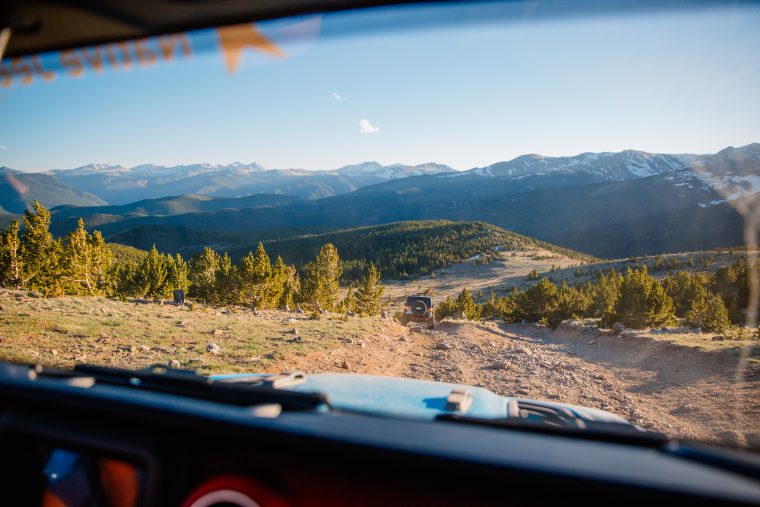
 Many of the roads above Black Hawk were originally built to access mines, mills, and mining camps during Colorado’s gold rush.
More than 150 years later, many of those same routes still exist.
Nevadaville: A Ghost Town Above Black Hawk
One of the most fascinating places guests encounter is Nevadaville.
Today, only a handful of buildings remain, but during the mining boom this was a thriving mountain community filled with miners, businesses, churches, and families.
Driving through Nevadaville feels like stepping into another century.
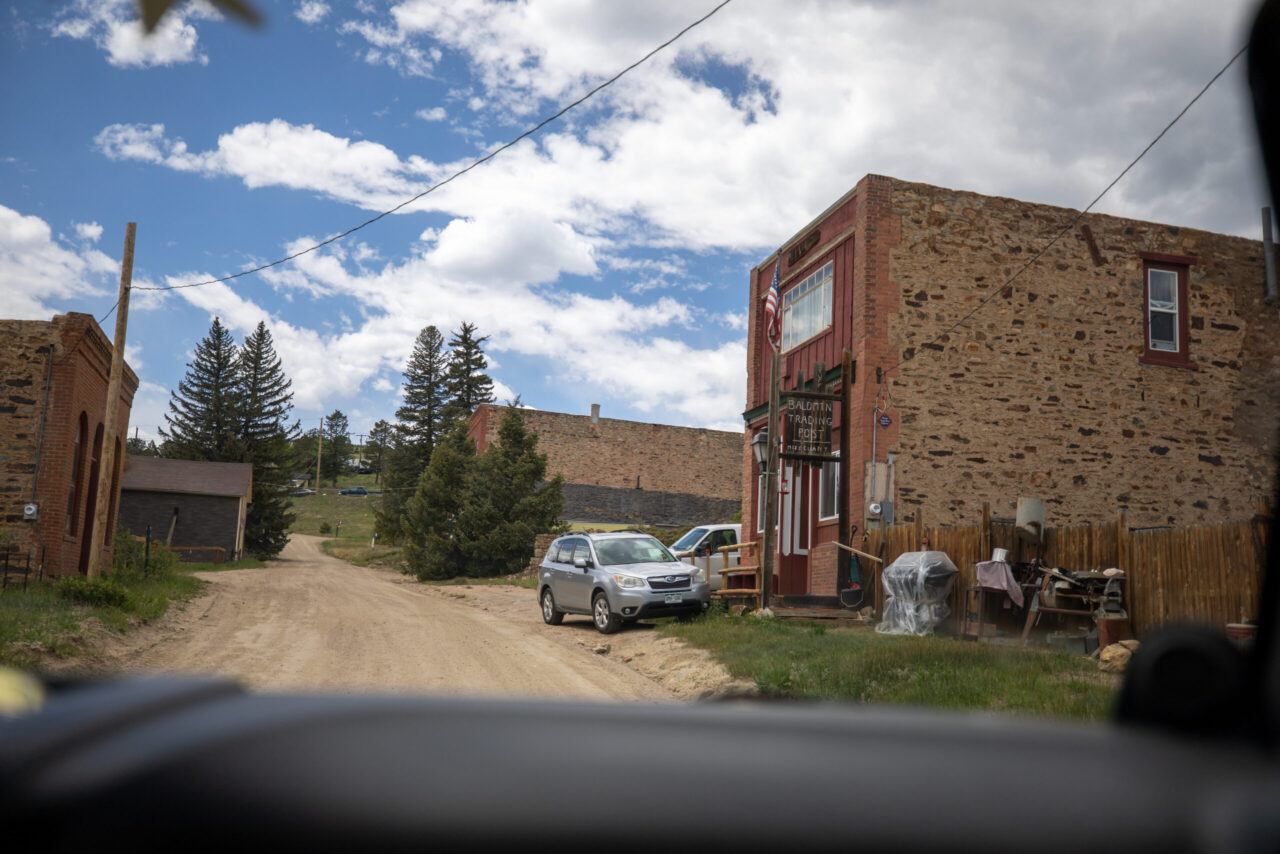
Old stone buildings still stand beside dirt roads. Historic structures overlook the valley below. It’s one of the few places where visitors can still experience what a Colorado mining town looked like during the height of the gold rush.
Many guests tell us this is one of the most unexpected highlights of the tour.
The Mines Are Still Here
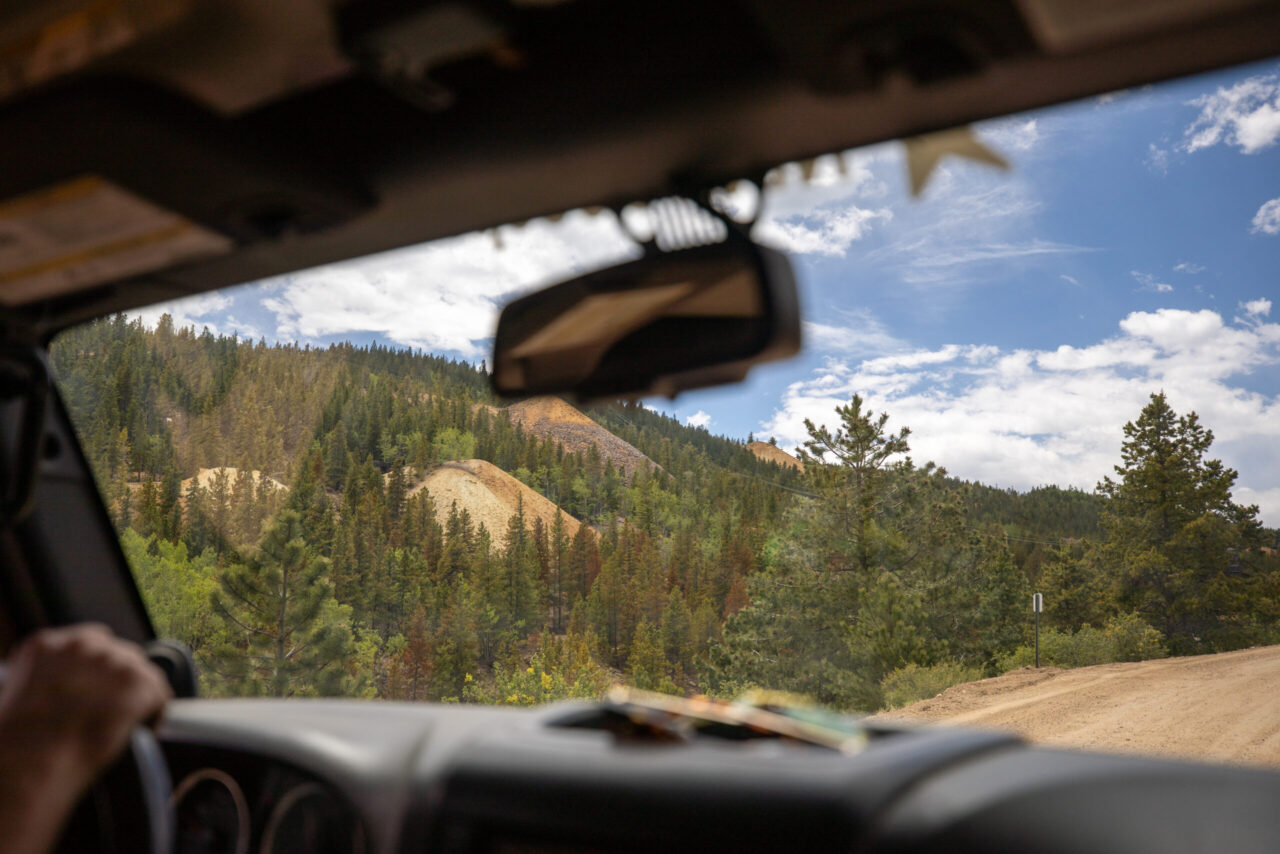
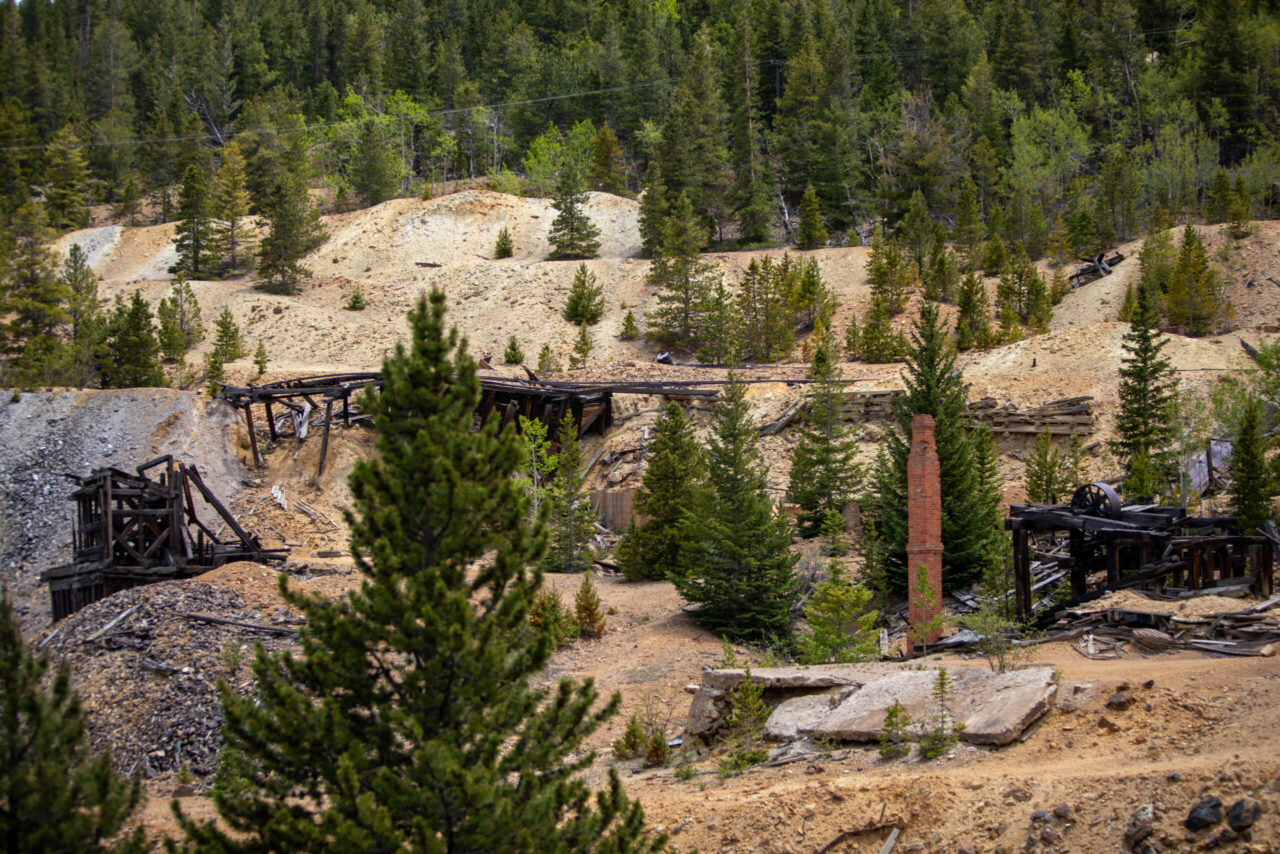 Abandoned structures and mining remnants still dot the hillsides above Black Hawk more than a century later.
One thing that surprises visitors is how much remains.
Across the mountainsides above Black Hawk you’ll still find:
- Mine ruins hidden among the trees
- Historic structures slowly being reclaimed by nature
- Massive tailings piles left behind by mining operations
- Old equipment and foundations
- Roads carved into the landscape more than a century ago
Some of the largest mining remnants can be seen from the trail itself.
What looks like a natural hillside often turns out to be millions of tons of material moved by miners generations ago.
More Than Just Mountain Views
Colorado has plenty of scenic drives.
What makes the Black Hawk area different is the combination of scenery and history.
You’re not simply driving through the mountains.
You’re driving through one of the places that helped build Colorado.
Every abandoned structure has a story. Every old road once connected a mine, settlement, or processing mill. The mountains still carry the marks of the people who worked here more than a century ago.
Why Guests Love It
People often book a Jeep tour expecting mountain views, creek crossings, and off-road adventure.
Those things certainly deliver.
What many don’t expect is how fascinated they become by the history.
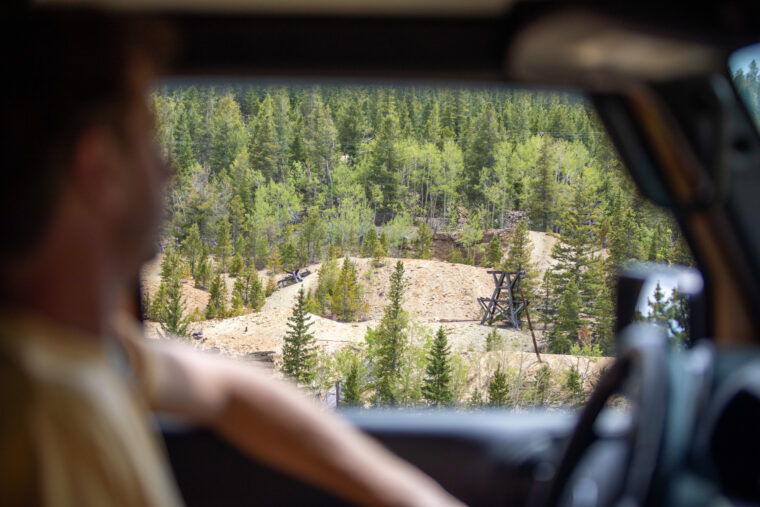
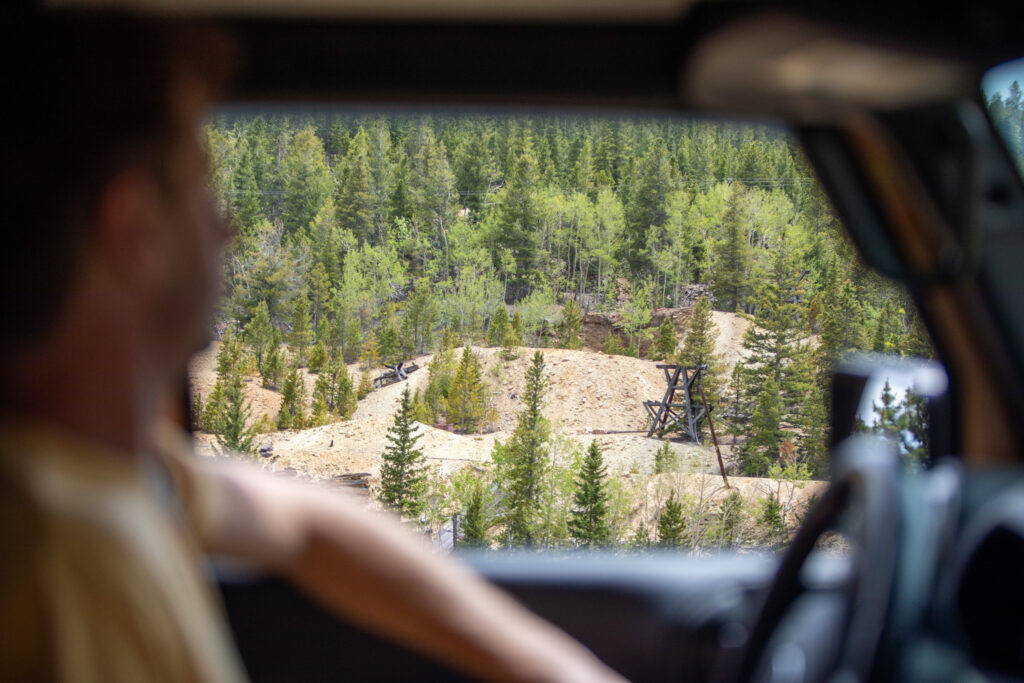
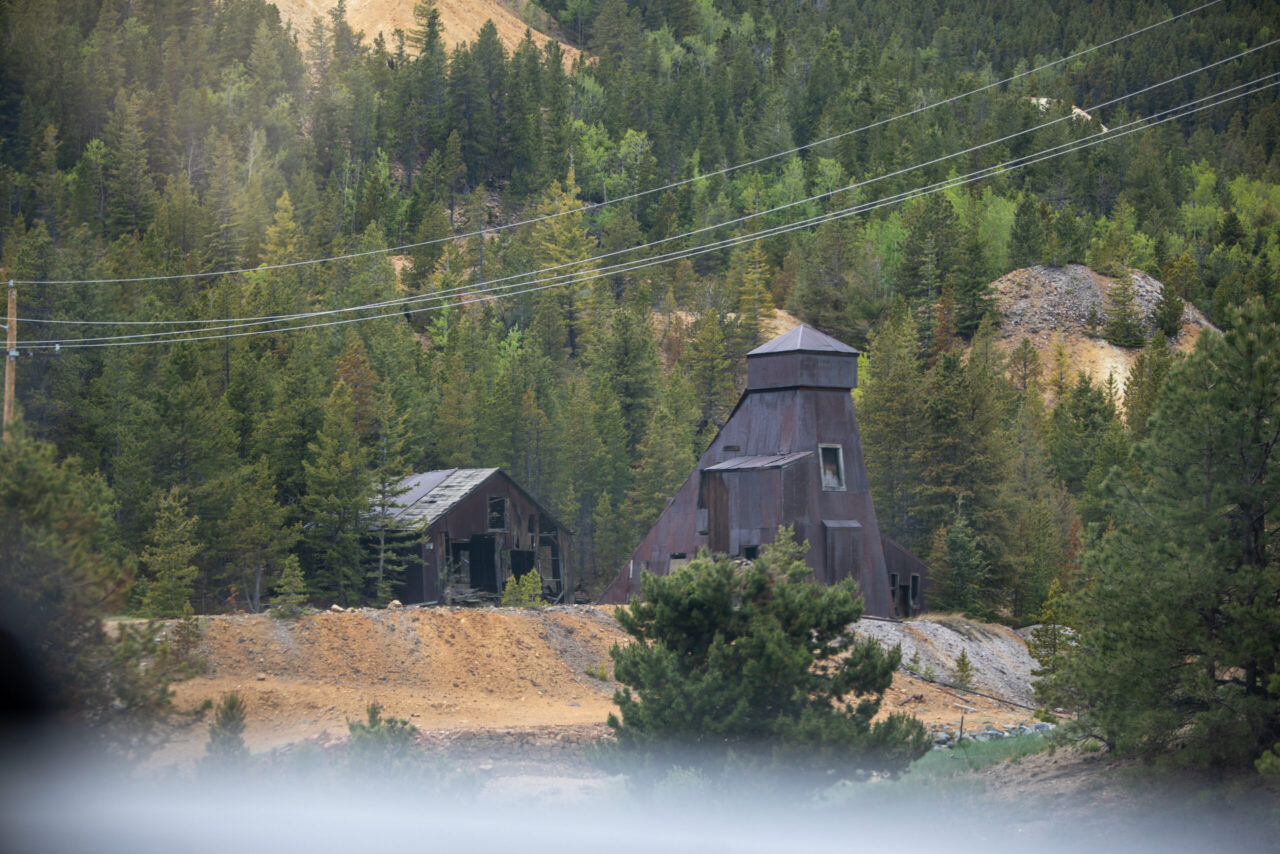 Hidden among the forests above Black Hawk, abandoned mine structures like this are reminders of Colorado’s gold rush era. Many guests say discovering places like these becomes one of the most memorable parts of the tour.
The old mining roads, ghost towns, and abandoned structures create a connection to Colorado’s past that most visitors never experience.
It’s one thing to read about the gold rush.
It’s another to drive the roads where it happened.
Explore Colorado’s Mining History for Yourself
Many of these historic mining roads can be explored during our YOU-Drive Jeep Tours in Black Hawk, where guests drive their own Jeep while following a professional guide through Colorado’s historic mining districts.The historic mining roads above Black Hawk offer more than just incredible scenery. They provide a rare opportunity to experience a part of Colorado that still looks remarkably similar to how it did generations ago.
For guests who enjoy history, photography, old mining towns, and discovering places most travelers never see, these roads are one of the hidden gems of Colorado’s Front Range.
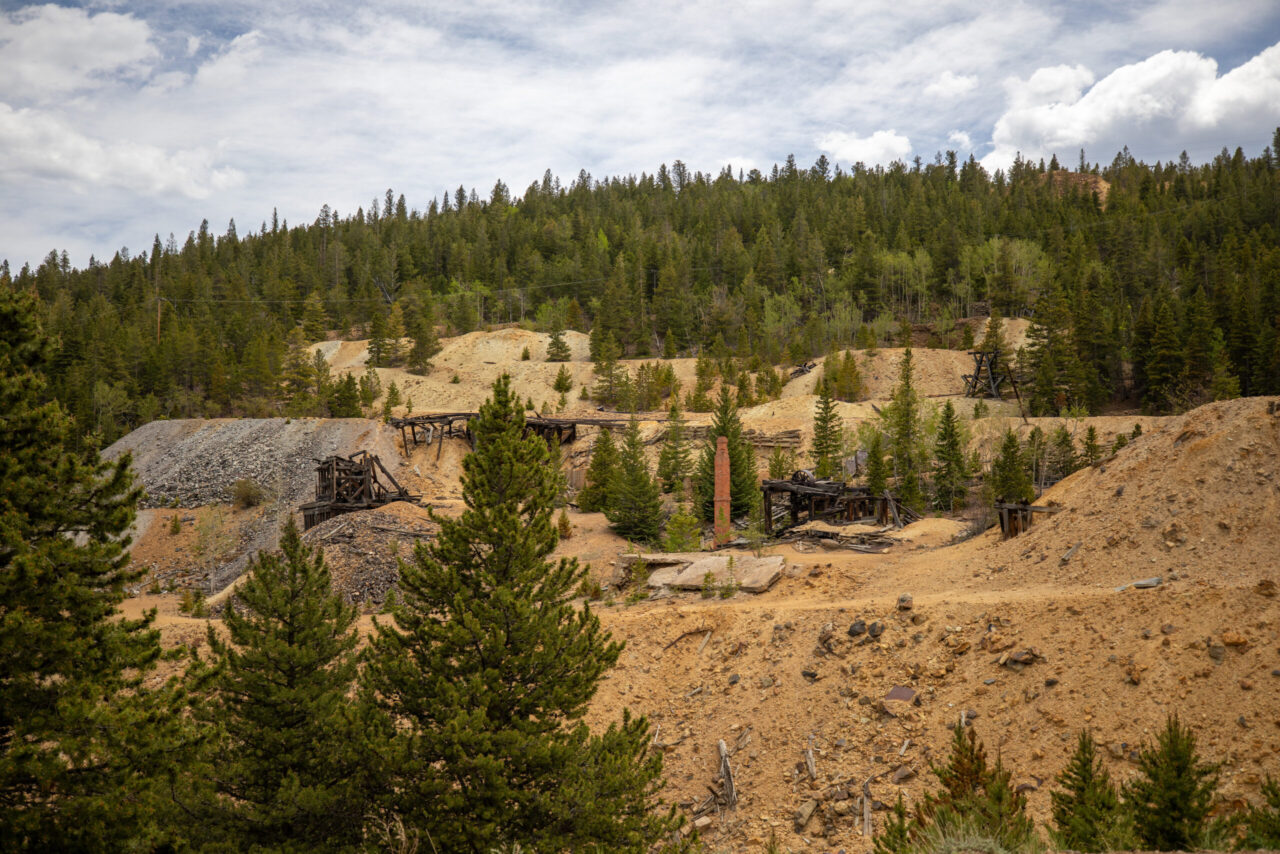 More than 150 years after Colorado’s gold rush, the mountains above Black Hawk still bear the marks of the miners who once worked here.